Senior Care Facility Types
Understanding the unique value and specialization of each type will help plan for each musical session better. The below descriptions are our observations and what we learned. For technically accurate descriptions, please go to experts such as nia.nih.gov.
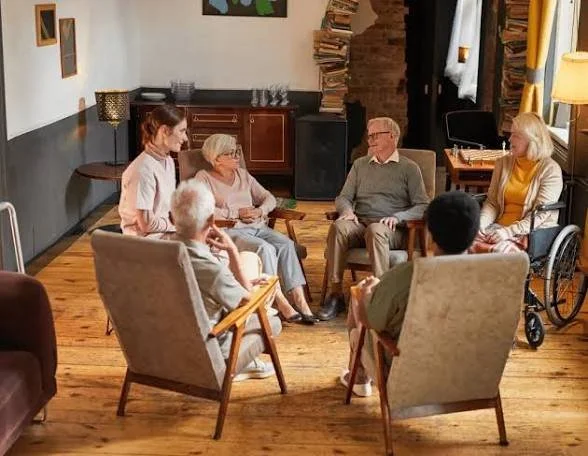
Assisted Living
They feel like a mix of a dormitory and a condo for older people who are generally healthy, but need help with daily chores. There is always a support staff available, but few healthcare professionals. The residents can come and go as they wish. Meals are served, medication is given on schedule, and the caregivers are ready anytime there is an emergency. It’s also a great place if the person was isolated and living by themselves.
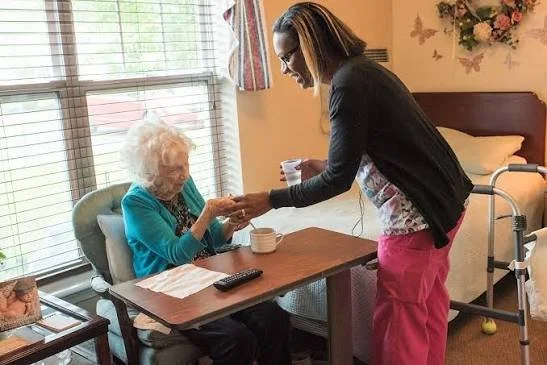
Skilled Nursing
These are more like hospitals for residents with 24/7 care and medical professionals. The residents are usually recovering from injuries or surgery, and you’ll see many of them in wheelchairs and resting in beds. Fortunately, most of them are here for a short while (weeks), but there are units where they stay for a longer time (months).
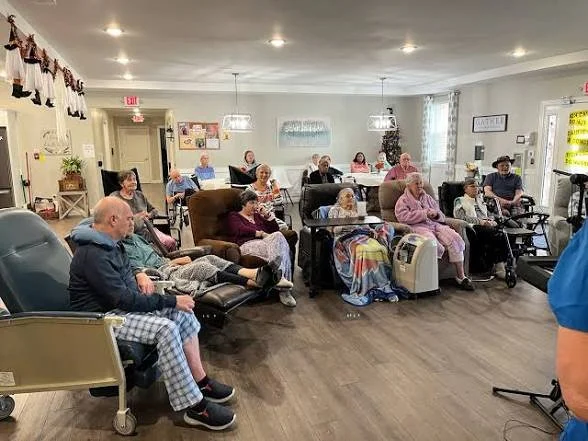
Memory Care
These are for people with memory problems caused by Alzheimer’s, vascular dementia, or other memory diseases. These are specialized places with a staff of certified memory health professionals. The unit’s doors are locked for resident safety and 24/7 care is provided.
Residents have moderate to late-stage dementia.
Dementia is a group of brain conditions that make it very hard to remember, think, and handle life. Analytical reasoning and language can be severely impaired.